
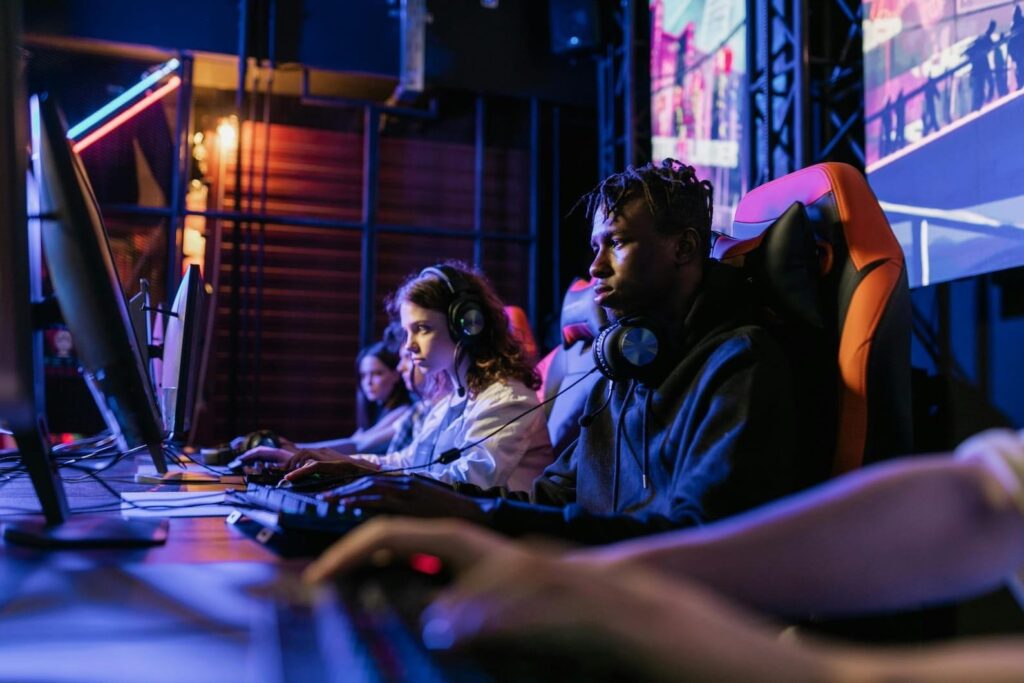
Organizing an e-sports tournament final for 10,000 simultaneous viewers demands enterprise-grade technology that eliminates lag, ensures millisecond-level synchronization, and delivers flawless streaming quality. Unlike traditional live webinar events, gaming competitions require adaptive bitrate streaming, multi-platform distribution, and real-time interaction features that keep fans engaged without compromising competitive integrity. This guide reveals how to leverage advanced webinar platform for gamers infrastructure to host a gaming webinar that scales seamlessly across continents while generating revenue through ticketed access, sponsorships, and VOD sales. From global CDN deployment to DDoS protection and monetization strategies, you’ll discover the exact blueprint for turning a high-stakes online conference into a lag-free, profitable spectacle that builds a loyal community.
Organizing an e-sports tournament final for 10,000 simultaneous viewers is one of the most demanding challenges in the digital event space. Unlike traditional live webinar formats with passive audiences, gaming events require millisecond-level synchronization, zero buffer time, and absolute stability. One frame drop can cost a team the championship. One lag spike can ruin the viewing experience for thousands of fans. The difference between a legendary final and a catastrophic failure comes down to technology infrastructure and strategic execution.
Global CDN infrastructure as the backbone of lag-free gaming streams
The foundation of any successful large-scale online conference for e-sports is a Content Delivery Network (CDN) with servers positioned strategically across continents. When your audience spans Europe, North America, and Asia, a single data center cannot serve everyone with acceptable latency. Modern streaming platforms use edge computing to place video processing nodes within 50-100 kilometers of major population centers, reducing round-trip time to under 50 milliseconds.
Quality of service metrics matter more than raw bandwidth. A viewer in Warsaw needs different routing optimization than someone in Los Angeles or Tokyo. The best platforms implement adaptive bitrate streaming (ABR), which automatically adjusts video quality based on each viewer’s connection speed. Someone on a 2 Mbps mobile connection receives 720p at 30fps, while a spectator with fiber optics gets 1080p at 60fps—all from the same source stream. This flexibility prevents buffering without sacrificing quality for users with premium internet.
Redundancy is non-negotiable on any virtual conference platform. Professional setups deploy primary and backup encoders, dual internet connections with automatic failover, and geographically distributed server clusters. If one node fails, traffic reroutes within seconds without visible interruption. For a 10,000-person final, downtime of even 30 seconds translates to thousands of frustrated viewers churning to competitors’ streams.
Real-time interaction features that define the gaming webinar experience
A gaming webinar differs fundamentally from a standard corporate presentation. Viewers expect real-time interaction, not passive consumption. Chat functionality must handle thousands of messages per second without rate limiting or message loss. The best webinar platform for gamers implements WebSocket-based chat with message queuing, ensuring every comment, emoji, and emote appears within 200 milliseconds.
Interactive overlays elevate engagement beyond basic video streaming. Live polls and voting for MVP, prediction markets let fans bet virtual currency on round outcomes, and real-time statistics panels display KD ratios, gold difference, and objective control timers. These features transform passive spectators into active participants who feel invested in the match outcome.
Multi-camera switching gives viewers control over their experience. Instead of a single caster’s perspective, audiences can switch between player POV cameras, overhead tactical maps, and analyst desk feeds. This flexibility is critical for e-sports, where different games require different viewing angles. League of Legends fans want to see the jungle pathing, while CS:GO viewers prefer first-person rifles views.
Voice chat integration allows teammates to communicate privately while spectators listen to caster commentary on a separate audio track. This separation prevents audio clutter and maintains professional broadcast quality. Spectator mode with delay controls lets organizers introduce a 30-60 second buffer to prevent stream sniping while maintaining the illusion of live action.
Multi-platform streaming strategy to maximize reach and engagement
Broadcasting a single stream to multiple platforms simultaneously is no longer optional—it’s essential for reaching maximum audience. Multi-streaming technology pushes one encoded feed to YouTube, Twitch, Facebook Gaming, TikTok Live, and LinkedIn simultaneously, multiplying your reach without multiplying your bandwidth costs. This approach is critical for online conference events where audience fragmentation is the norm.
Each platform has unique requirements. Twitch prioritizes low latency for interactive chat, YouTube favors high resolution for recorded content, TikTok demands vertical video for mobile-first viewers, and LinkedIn expects professional presentation quality. Smart encoding pipelines detect the target platform and automatically adjust resolution, bitrate, aspect ratio, and audio mix without human intervention. Analytics aggregation from all platforms into a single dashboard gives organizers a unified view of performance. Total concurrent viewers, peak audience, geographic distribution, engagement rate, and chat velocity are tracked in real-time. This data informs mid-stream decisions: if engagement drops on TikTok but spikes on YouTube, redirect marketing resources accordingly.
Monetization options vary by platform. Twitch offers subscriptions and bits, YouTube has Super Chat and channel memberships, TikTok uses virtual gifts, and Facebook provides Stars. A multi-streaming setup captures revenue from all sources simultaneously, maximizing ROI for tournament organizers. Integration with payment gateways like Stripe, PayPal, and PayU enables direct ticket sales for premium viewing experiences, VIP access, or exclusive behind-the-scenes content.
Protecting your event from DDoS attacks and stream sniping
E-sports finals are high-value targets for malicious actors. DDoS attacks can take down streams minutes before a championship match, while stream sniping gives dishonest players real-time advantage by watching the broadcast. Robust security measures are non-negotiable for protecting both the infrastructure and competitive integrity.DDoS mitigation requires enterprise-grade protection with traffic scrubbing centers that filter malicious packets before they reach your servers. Platforms should offer automatic attack detection, IP blacklisting, and rate limiting that kicks in within seconds of an attack. Geographic IP blocking prevents traffic from known malicious regions while allowing legitimate viewers through.
Stream delay controls are essential for preventing stream sniping in competitive matches. A 30-90 second buffer between the actual game and the broadcast prevents players from using viewer information to gain unfair advantages. This delay is invisible to most viewers but critical for maintaining fair play in ranked or professional tournaments.
GDPR compliance is mandatory for European audiences. The platform must implement consent management for video recording, data encryption for personal information, and automated data export/deletion tools for users exercising their rights. Automatic RODO clauses appear during registration, and administrators can export participant data in formats compliant with EU regulatory requirements.
Monetization and growth hacking to turn viewers into paying customers
A tournament with 10,000 viewers is not just a spectacle—it’s a revenue opportunity. Modern webinar platform for gamers offers multiple monetization pathways that transform passive viewers into paying customers. Ticketed access creates immediate revenue, with tiered pricing for general admission, VIP seats with Q&A access, and premium packages including recorded replays and exclusive content. Sponsorship integration goes beyond logo placement. Interactive sponsor booths let fans visit virtual booths during breaks, collect digital swag, and enter prize draws. Product placement in overlays, branded segments during analyst desk discussions, and sponsored predictions create natural advertising opportunities that don’t disrupt the viewing experience.
Post-event monetization extends revenue beyond the live broadcast. Selling recorded replays as video-on-demand (VOD) content, creating highlight reels for social media, and packaging educational content from caster breakdowns generate long-tail income. The best platforms offer automated clipping tools that identify exciting moments and create shareable short-form content for TikTok, Instagram Reels, and YouTube Shorts. Email marketing automation captures leads throughout the event lifecycle. Registration emails, 24-hour reminders, post-event thank-you messages with replay links, and nurture sequences for non-converters keep your audience engaged. Integration with CRM systems like HubSpot, Salesforce, and Pipedrive automates lead scoring based on engagement metrics, allowing sales teams to prioritize hot leads.
Growth hacking tactics multiply organic reach. Referral programs with unique links give participants free access or prizes for every friend they invite. Gamification with points, badges, and leaderboards increases loyalty and encourages repeat attendance. Social sharing buttons with pre-filled messages make it effortless for fans to promote the event to their networks.
The ultimate streaming metric
The ultimate metric is customer lifetime value (LTV). Viewers who attend one tournament are 60% more likely to attend the next. Creating recurring events—weekly matches, monthly tournaments, quarterly championships—builds a loyal community that generates predictable revenue. The key is delivering consistent quality, minimizing technical issues, and continuously optimizing the viewer experience based on data-driven insights.
Organizing an e-sports final for 10,000 viewers without lags requires enterprise-grade CDN infrastructure, real-time interaction features, multi-platform streaming capabilities, robust security measures, and sophisticated monetization strategies. When executed correctly, the result is not just a successful tournament but a scalable business model that generates revenue while building a passionate community around your brand. The technology exists today to deliver lag-free, interactive, and profitable gaming events at massive scale. The question is whether you’re ready to invest in the infrastructure that separates amateur streams from professional productions.