
In today’s world, homeowners are increasingly turning to cleaner energy solutions to power their homes. With the growing concerns over environmental sustainability and the rising cost of traditional energy sources, solar power combined with a portable power station offers an efficient and eco-friendly alternative for maintaining electricity during outages, reducing dependence on the grid, and even lowering energy bills. In this article, we’ll explore why a solar + portable power station system is an ideal choice for powering your home and how you can make the most of this clean energy combo.
What is a Solar + Portable Power Station System?
A solar + portable power station system is a renewable energy setup designed to harness the power of the sun and store it for later use. It works by capturing sunlight through solar panels and then storing the energy in a portable power station, which can later be used to power home appliances, electronics, and other essential devices when needed.
Unlike traditional generators that rely on fuel, a power station charged by solar energy offers a clean, sustainable way to keep your devices running. When the power goes out, you’ll have a reliable backup source of energy, and because it runs on solar energy, there are no emissions or ongoing fuel costs.
Why Choose Solar + Portable Power Station?
1. Eco-Friendly and Sustainable Energy Source
The most significant advantage of combining solar power with a portable power station is the positive impact on the environment. Solar energy is one of the cleanest and most abundant renewable resources available. By using solar power to charge your power station, you are reducing your reliance on fossil fuels, which contributes to a reduction in harmful greenhouse gas emissions. Solar power doesn’t generate waste, and it’s a zero-emissions solution that helps you live more sustainably.
2. Energy Independence
One of the main reasons many homeowners choose solar + power station systems is the energy independence it offers. With traditional power grids, you are reliant on your utility provider to supply electricity. By using solar energy to power your home, you can reduce or eliminate your dependence on the grid, ensuring you have power when you need it most. This is especially important in areas prone to power outages or in remote locations where grid power may not be readily available.
3. Cost Savings Over Time
While the initial cost of installing a solar + portable power station system may be higher than traditional generators, the long-term savings can be substantial. Once installed, the cost of operating a solar power system is minimal. You’ll save money on fuel costs, and in some regions, you may even be eligible for incentives or rebates from your local government for using renewable energy. Additionally, you can reduce your electricity bills by using stored solar energy for everyday needs.
4. Quiet and Low Maintenance
Unlike gas-powered generators that can be loud and require regular maintenance, a solar + power station system operates silently and requires very little upkeep. The solar panels themselves have no moving parts, and the portable power station can be easily maintained by checking battery health and ensuring that the solar panels are clean and unobstructed. This makes solar + portable power stations a more convenient and user-friendly option compared to traditional fuel-powered generators.
5. Portable and Versatile
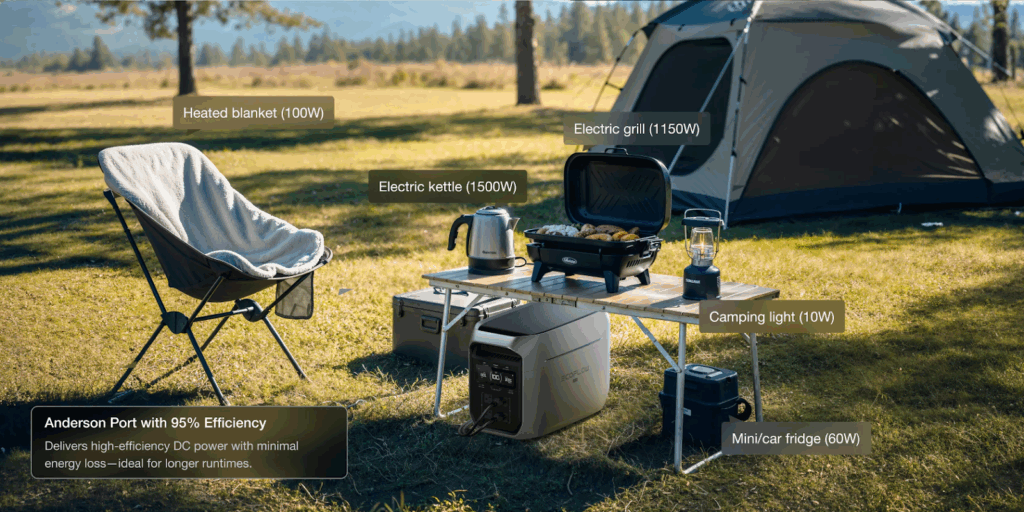
A portable power station can be moved from one location to another with ease. This is especially useful when you need backup power during a camping trip, outdoor event, or emergency situation. You can also use your power station to power tools, lights, and other appliances in places where regular electricity isn’t available. When paired with solar panels, it becomes an excellent off-grid solution for both home and outdoor use.
How to Set Up a Solar + Power Station System
Setting up a solar + portable power station system involves a few essential steps. Here’s what you need to consider:
1. Choose the Right Solar Panels
The first step is selecting the right solar panels to charge your power station. The size of the panels will depend on how much energy you need and the amount of sunlight your location receives. Typically, larger panels generate more power, so you’ll need to assess your energy needs and the space available for installation. Make sure to choose high-quality panels with high efficiency to get the best performance.
2. Select a Suitable Power Station
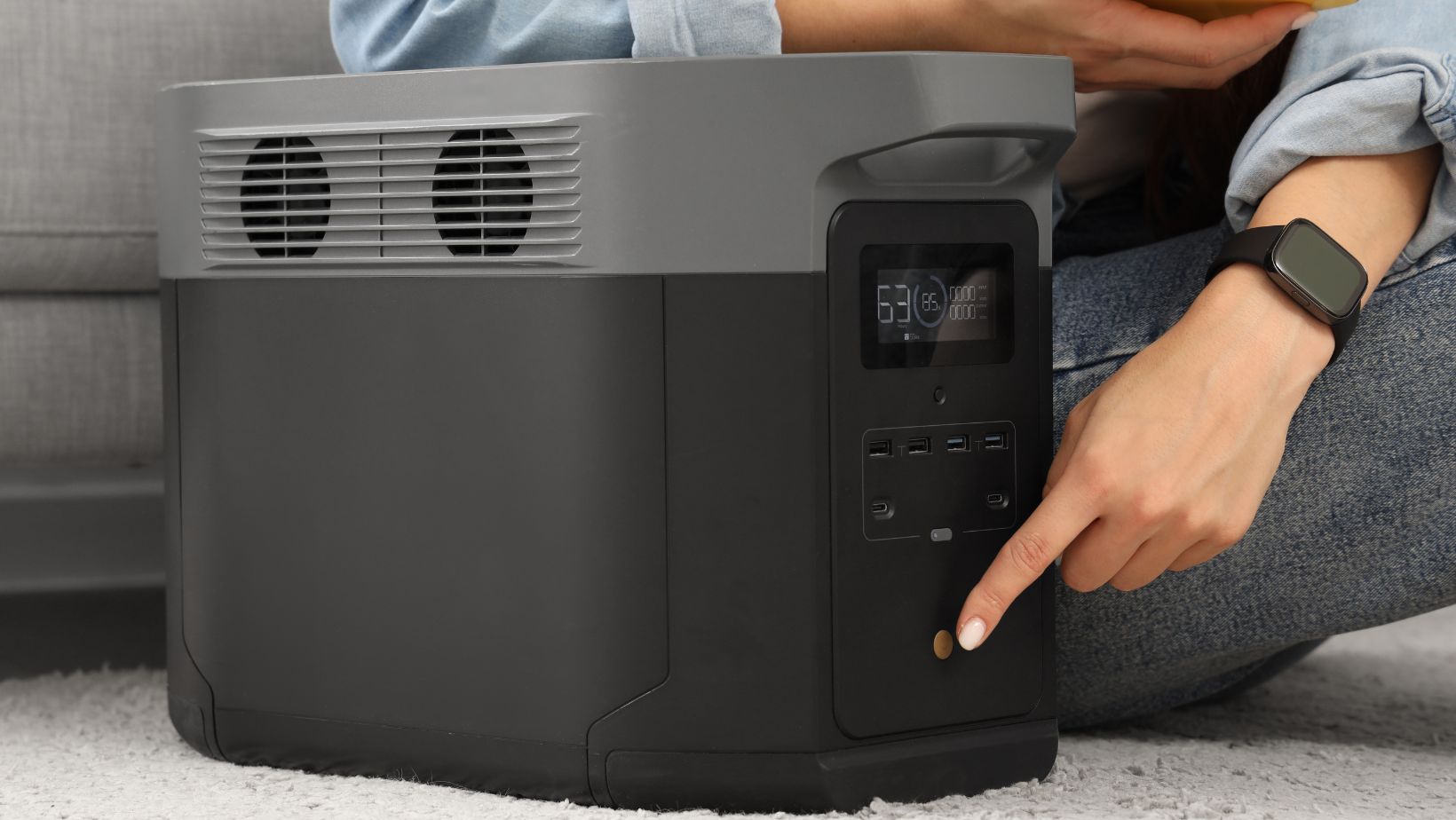
Next, you’ll need to select a portable power station with the appropriate capacity. The power station should have enough storage capacity to meet your backup needs. Look for a power station with a capacity that suits the devices you plan to power. For example, if you want to run a refrigerator and some lights during an outage, you’ll need a power station with a larger battery capacity. Many models offer multiple output ports, allowing you to charge multiple devices simultaneously.
3. Installation of Solar Panels
Solar panels need to be installed in a location where they will receive maximum sunlight exposure. Ideally, the panels should be installed on the roof, facing south in the Northern Hemisphere to capture the most sunlight. For ground-mounted systems, make sure the panels are tilted at an angle that optimizes sunlight absorption throughout the day. If you are unsure of the best installation location, consider hiring a professional to install the panels for you.
4. Connecting Solar Panels to Power Station
Once the solar panels are set up, connect them to your portable power station using the included cables and connectors. Most power stations have easy-to-use connections for solar panels, with some models offering plug-and-play functionality. Check the input ratings to ensure that your power station is compatible with the solar panel output, and monitor the charging process to ensure everything is working smoothly.
5. Monitor and Maintain the System
Finally, it’s important to monitor the system’s performance. Most portable power stations come with built-in monitoring features that allow you to check battery levels, charging status, and energy output. Regular maintenance involves cleaning the solar panels to ensure maximum efficiency and checking the battery health to ensure optimal performance.
Solar + Power Station for Emergencies
In the event of an emergency, such as a storm, power grid failure, or natural disaster, having a solar + portable power station system can provide you with peace of mind. When the grid goes down, your power station will automatically switch to the stored solar energy, allowing you to continue powering essential devices like your refrigerator, lights, and communication devices.
Having a backup power source is crucial for maintaining comfort and safety during emergencies, and with the combination of solar panels and a power station, you’ll have a reliable and sustainable power source to rely on.
Conclusion
Solar + portable power station systems offer a clean, cost-effective, and sustainable solution to power your home and devices. Whether you’re looking to reduce your carbon footprint, lower your electricity bills, or ensure you have power during outages, this combination of solar energy and a power station provides a reliable and eco-friendly alternative to traditional power sources. By setting up the right system, you can enjoy greater energy independence, long-term savings, and the peace of mind that comes with knowing your power needs are covered—even during the most unexpected events.
Investing in solar + portable power stations is not just an upgrade for your home; it’s a step towards a more sustainable future.