
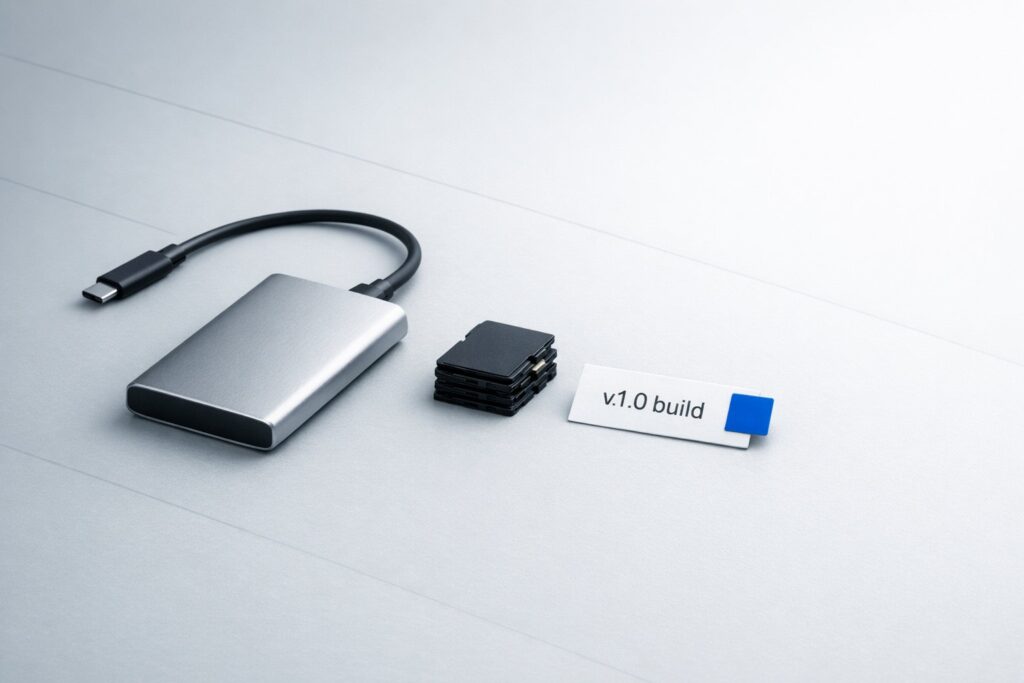
Indie game developers often face unique challenges when collaborating across locations, particularly when large files play a central role in the workflow. Managing assets, builds, and production resources can lead to bottlenecks if file transfer systems are not optimized. Reliable, secure, and efficient file handling is essential for smooth project progression and team coordination.
Remote development teams manage continuous asset changes and complex builds across time zones and platforms. Web file transfer, when not fine-tuned, frequently becomes the source of slowdowns, lost productivity, and unnecessary frustration, especially given the rapid iteration common in game development today. Common problems include sluggish uploads and accidental overwrites due to scattered storage solutions. In many cases, crucial assets become duplicated, outdated, or lost as a result of unclear versioning practices.
Common Barriers In Remote Game Development Collaboration
Distributed indie teams depend on web file transfer solutions to move assets between programmers, artists, and audio specialists. High file counts, combined with variable internet speeds, amplify familiar friction points. Many teams experience sluggish upload speeds during peak hours, especially when synchronizing high-resolution assets or builds. Scattered storage and unclear asset management can cause version confusion, with multiple team members editing and uploading conflicting revisions. Such issues lead to lost productivity and can delay already ambitious schedules.
Frequent iteration cycles, typical in indie development, create constant streams of updates. Each change must quickly reach contributors for review and integration, but typical transfer methods do not always keep pace. Without automated management to ensure participants are working with the most current files, delays and miscommunication can occur. Difficulties compound as game studios grow, with small inefficiencies escalating into major setbacks over the course of a project.
Heavy Asset Types And Their Impact On Workflow
Game projects are data-intensive, including assets such as 4K textures, layered audio banks, and video sequences. The volume and size, particularly for cinematic captures and full builds, consistently test the capability of any web file transfer system. Large patch packages and regular updates lead to extended transfer times and demand reliability that many generic solutions lack. Even minor, incremental changes can require transferring multi-gigabyte packages, placing further strain on studio workflows.
Additionally, maintaining throughput and organized storage is a persistent challenge. When storage is unmanaged, assets become scattered, especially after team members copy files to personal devices or cloud folders. Finding the latest resource can become time-consuming, slowing creative progress. Use of ad hoc sharing methods can promote version mismatches and unnecessary duplicates, making it difficult to scale processes for future studio growth.
Effective Workflow Design For Reducing Delays
Establishing a reliable source of truth for digital assets assists teams in environments with frequent changes. Clear folder structures and consistent naming conventions help reduce confusion about which file is current. Assigning lifecycle stages such as draft, approved, and archived allows all participants to understand resource status and prevent premature use of incomplete assets. When these structures are missing, frequent rework and unnecessary delays can result, particularly amid rapid revision cycles.
Implementing measures like checksums and transfers that resume on failure also improves reliability. Such mechanisms preserve file integrity mid-transfer, reducing the likelihood of corrupted or incomplete asset delivery. Layered processes including logging track both the nature and origin of changes. Enhanced traceability minimizes miscommunication and data loss, becoming especially important as more contributors join a project.
Smarter Security And Strategic Automation For Teams
Many indie teams operate without dedicated security staff, making practical safeguards essential for preventing leaks of pre-release content. Access control principles such as least-privilege policies and expiring links help maintain strong security throughout development. Good password hygiene and careful sharing of links reduce the potential for unauthorized access or accidental exposure of sensitive builds. Restricting permissions to only those collaborators who require access also lowers the likelihood of costly errors.
To streamline recurring tasks, scripting tools and integration with continuous integration pipelines can automate the packaging and distribution of builds and large assets. This approach reduces manual effort and ensures consistency for both testers and team members. Measuring key metrics like turnaround time, failed transfer rate, and duplicate count enables teams to identify and resolve bottlenecks before they become significant problems. Well-designed processes are easier to scale and maintain, supporting both present operations and longer-term studio development.