
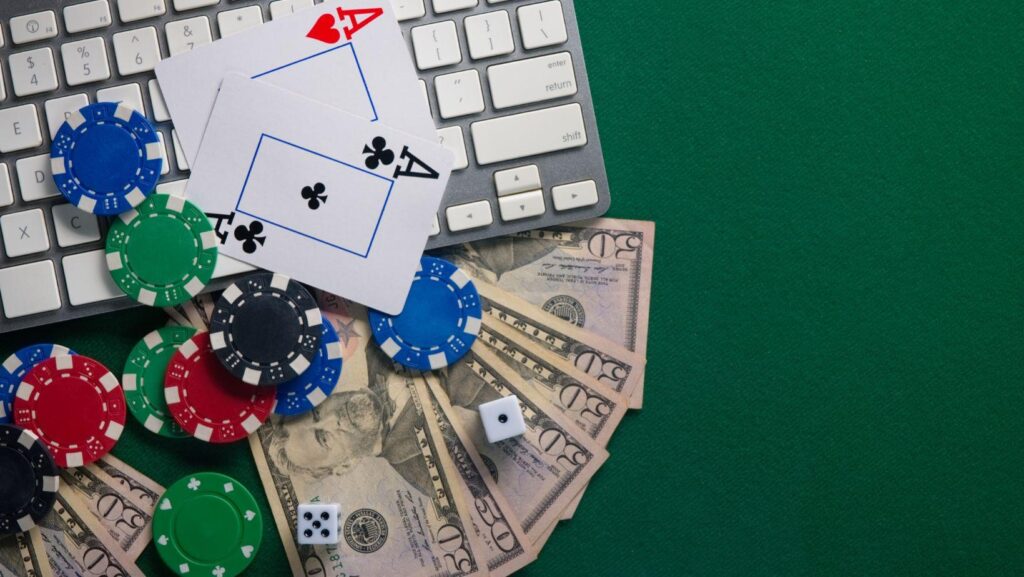
For a long time, online casinos and free-to-play games felt like two different corners of the internet. One was built around deposits, wagers, and game libraries. The other lived on daily rewards, energy systems, streaks, unlocks, and the constant little nudge to come back tomorrow. They were designed differently, talked about differently, and usually judged by different standards. That divide is not as clear anymore.
You can see it in the way online casino platforms are structured now. Not only in the games themselves, but in everything around them. The pop-ups, the missions, the reward ladders, the rotating offers, the sense that there is always something half-finished and waiting for you to return. That kind of design did not come out of nowhere. A lot of it looks very familiar to anyone who has spent time with mobile games over the past decade.
Free-to-play figured out early that retention is rarely about one big moment. It is usually built through repetition. A small reward today. A reason to check back tonight. A visible sign that progress is being made, even if the session itself was short. That logic turned out to be powerful, and online casinos have clearly been paying attention.
Returning matters more than arriving
The old model leaned heavily on first-time excitement. Big welcome bonuses did a lot of the work. The goal was to get people through the door, get them signed up, get them active. That still matters, of course. But it is no longer enough on its own.
What matters more now is whether someone comes back after that first session, and then again after that. This is where the free-to-play influence starts to show. Casinos increasingly try to create a rhythm around the platform. Daily rewards, recurring promos, short missions, weekend challenges, small loyalty boosts. On a well-used betway app, for example, those returning prompts can feel less like big sales pushes and more like part of the platform’s normal flow. None of these things are especially dramatic on their own, and that is exactly why they work. They are not meant to feel like major events. They are meant to feel easy to revisit.
That was always one of the strengths of free-to-play design. It lowered the threshold for returning. You did not need a special reason. You just needed a small prompt and a familiar habit. Online casinos now lean on that same idea much more than they used to.
Progress has become part of the experience
This is another area where the overlap is hard to miss. Free-to-play games got very good at making players feel that something was always moving. Maybe you were unlocking a tier. Maybe you were filling a bar. Maybe you were one session away from a new reward. Even when the core activity stayed the same, the progress around it made the experience feel active.
Casino platforms do this now as well, just in their own way. Loyalty points, VIP levels, achievement-style systems, missions tied to activity, milestone rewards. The session is no longer only about what happened in that one moment. It is also about what the session contributes to.
That changes the feel of the platform quite a bit. A person is not only thinking about the next spin or the next round. They are also noticing that they are close to a higher tier, or that a bonus unlock is within reach, or that one more visit completes something already in motion. That feeling of continuation is important. It gives the user a reason to see the platform as an ongoing environment rather than a place they dip into randomly.
The surrounding system does more work now
That may be the biggest shift. There was a time when casinos could rely more heavily on the games carrying the whole experience. If the slot catalogue was strong and the bonuses looked attractive, that did a lot of the job. Now the platform around the games matters much more.
Free-to-play gaming pushed this idea hard. The game was only one part of the loop. The rest came from the event calendar, the timed offers, the rotating tasks, the interface prompts, the rewards screen, the feeling that the system was active even when the player was not. Online casinos have moved closer to that model.
You log in and the platform does not feel static. Something is ending soon. Something else has just started. A leaderboard is running. A cashback window is live. A mission has been reset. There is always some small layer of activity wrapped around the core games. That makes the whole thing feel more alive, which is exactly what retention systems are supposed to do.
Personalization plays a bigger role than before
Not every player gets shown the same thing anymore, and that is another lesson pulled straight from free-to-play design. Mobile games learned a long time ago that users respond better when the experience feels slightly tailored. Maybe that means surfacing the right offer at the right time. Maybe it means changing what appears on the home screen based on previous behaviour. Maybe it just means not pushing the same message to everyone.
Online casinos have moved in that direction too. Featured games can shift based on what a user has played before. Offers may be shaped around patterns in timing or activity. Notifications and promos are increasingly less generic than they used to be. Even small changes like that can make a platform feel more responsive. And that matters, because people are more likely to return to something that feels current than something that feels frozen.
It is no longer just about the games
Online casinos are adopting the same retention tactics seen in free-to-play games because those tactics help turn occasional use into repeat behaviour. Not through one loud trick, but through structure. Through routine. Through visible progress, limited-time hooks, familiar rewards, and systems that make the platform feel like it keeps moving. But more and more, the real competition is happening around the edges. In the way the experience is framed. In the way, return visits are encouraged. In the way a platform makes itself feel easy to reopen, easy to recognize, and just active enough to stay in someone’s orbit. That is very close to the free-to-play playbook. And online casinos are using more of it every year.