
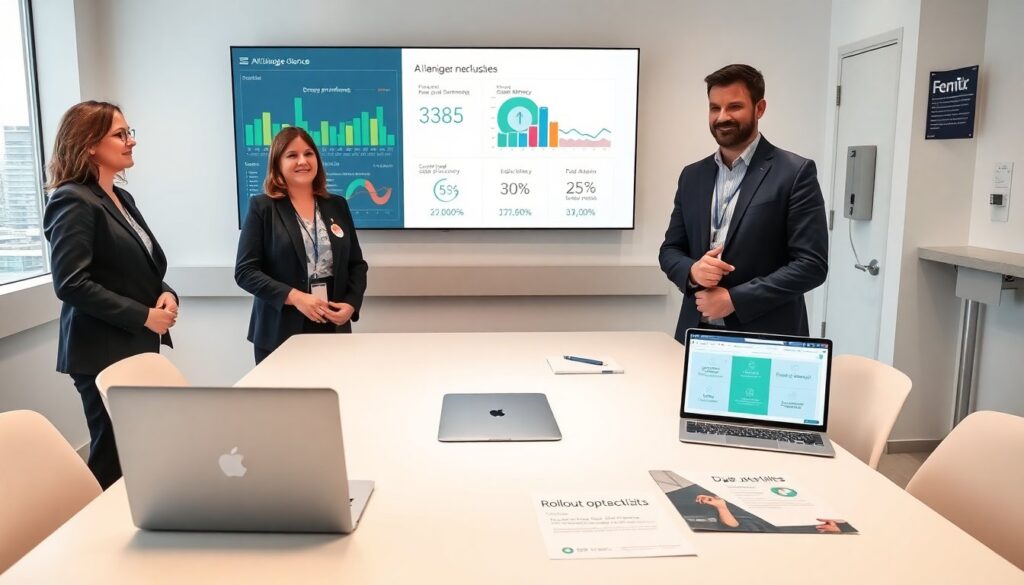
Commandline fieryai prompt encoding lessons sevrabyter helps clinics cut waste and save energy. The guide lists clear steps to lower carbon, lower costs, and improve care. It shows device choices, metrics, and simple rollout tasks. The article focuses on practical moves clinics can use now.
Key Takeaways
- AI healthcare sustainable tech significantly reduces clinic energy costs and device waste while enhancing patient care.
- Conducting energy audits and setting clear metrics like energy per inference help clinics measure and improve AI sustainability.
- Practical steps include pilot testing AI workflows, phased hardware upgrades, and continuous model optimization for efficiency.
- Integrating AI with scheduling and mobile tools minimizes travel and appointment waste, boosting clinic operational sustainability.
- Choosing AI vendors with transparent energy specifications and lifecycle policies supports sustainable procurement decisions.
Why Sustainable AI Matters In Healthcare Today
AI healthcare sustainable tech fern guides sevrbtyesnet appears in hospitals and clinics around the globe. Leadership seeks lower energy use and lower emissions while keeping care quality high. AI systems process large data and run on servers that use electricity. Clinics that ignore power needs risk higher costs and supply fragility.
Hospitals that adopt sustainable AI can cut energy bills and reduce device waste. Staff can use smarter scheduling algorithms to reduce idle equipment hours. Facilities can shift workloads to off-peak times and lower peak demand. These moves lower operational cost and help community resilience.
Patients also gain. AI that runs efficiently can deliver faster results and fewer delays. Clinicians get cleaner dashboards and fewer false alerts when models run on optimized hardware. The net result improves care while lowering environmental impact.
Facilities can start by auditing compute and device use. The audit shows where AI workloads run and which devices draw the most power. The team can then set targets for power usage effectiveness, model runtime, and device lifecycle. Clear targets help teams choose solutions and measure progress.
Clinics can pair this approach with existing digital tools. For example, staff can integrate scheduling with the clinic’s mobile tools such as the mabs brightstarcarecom mobile app to reduce travel and appointment waste. They can also use login and user analytics from the mabs mobile app to target efficiency improvements.
Real-World Implementations And Case Studies (Clinical, Community, And Device-Level)
A mid-size clinic replaced an on-premises AI server with a lower-power edge appliance. The appliance processed imaging locally and sent only summaries to the cloud. The clinic cut energy use for imaging AI by roughly 30% and shortened report turnaround by one day.
A community health center used AI healthcare sustainable tech fern guides sevrbtyesnet to optimize mobile visits. The center used routing AI to reduce travel distance for home care nurses. The change reduced fuel use and freed two nurse-hours per day for extra patient care.
A device manufacturer redesigned a monitoring sensor to use event-driven AI. The sensor slept until key thresholds triggered brief model runs. The device battery life rose from 10 days to 40 days. Clinics replaced fewer batteries and reduced device waste.
A radiology group used model compression to move large models to smaller hardware. The group retrained models and pruned unused parameters. The models ran faster on CPUs and required fewer cooling cycles. The group reported lower infrastructure cost and fewer hardware failures.
Teams that succeed make small changes and measure results. They log energy per inference, average model latency, and device replacement intervals. They share findings with staff and with procurement. This transparency builds trust and helps staff act on data.
Some sports and entertainment organizations published related data on AI adoption in operations. Clinics can review industry reports for evidence when they set targets and verify vendor claims.
Step-By-Step Guide To Designing Sustainable AI Healthcare Solutions (Tools, Metrics, And Rollout Checklist)
Plan scope and goals. The team defines which workflows will use AI healthcare sustainable tech fern guides sevrbtyesnet and what metrics matter. Metrics can include energy per inference, latency, uptime, and device lifecycle.
Choose tools and partners. The team picks models that suit on-device or edge running. The team favors quantized or pruned models to lower compute. The team tests with representative data and measures energy use in lab runs.
Measure baseline. The team records current energy use, compute time, and device replacement rates. The team uses those numbers to set realistic targets. The team keeps measurements simple and repeatable.
Pilot small. The team runs a single workflow in a limited clinic area. The pilot tracks energy per inference, patient impact, and staff time. The team logs failures and fixes them before wide rollout.
Rollout checklist:
- Confirm compliance and privacy with local rules.
- Train staff on new workflows and new device handling.
- Schedule phased hardware upgrades tied to lifecycle dates.
- Monitor energy use and model performance weekly for the first three months.
- Keep a spare pool of tested devices for fast replacement.
Optimize continuously. The team updates models when they find clear gains in energy or accuracy. The team retires old hardware once the cost of maintenance exceeds savings.
Procurement notes. The team favors vendors that publish device energy specs and lifecycle policies. The team asks vendors for measured inference energy and typical uptime. The team weighs total cost of ownership, not just the sticker price.
Communication. The team reports progress to staff and to patients when relevant. Short updates build support and help sustain budget approvals. The team ties sustainability goals to patient outcomes and clear cost savings.
At scale, these steps help clinics use AI healthcare sustainable tech fern guides sevrbtyesnet to lower emissions, cut cost, and keep care quality high. The approach focuses on measurable gains and clear tasks, so teams can act quickly and show results.