
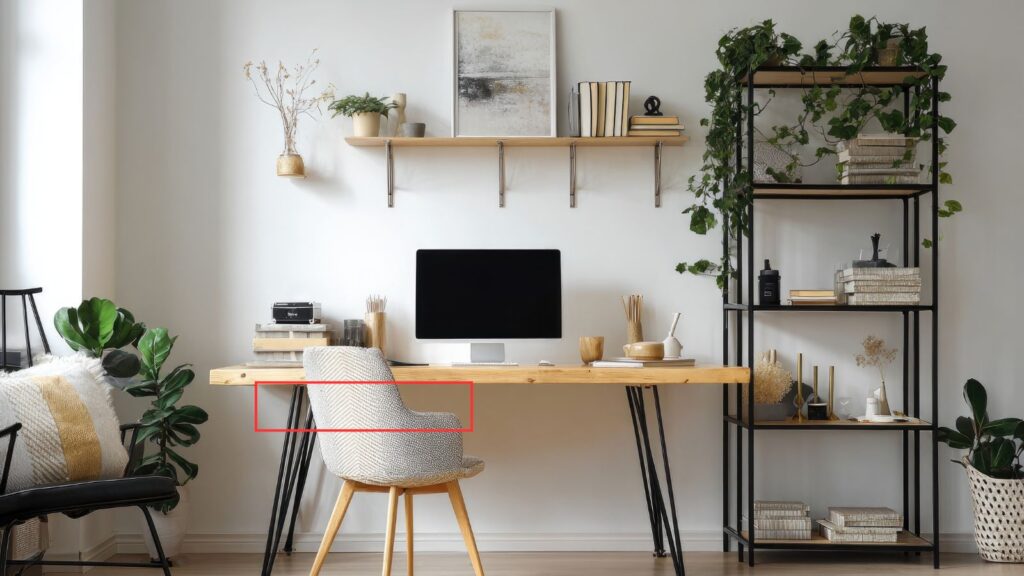
The classic Kiwi dream often involves a good job, a sturdy house, and weekends spent at the beach or on the trails. However, the reality for many New Zealanders has shifted dramatically in recent years. As our dining tables turn into desks and our smartphones become 24/7 office tethers, the distinct line between “work” and “life” has become increasingly blurry. The “she’ll be right” attitude, while admirable in its resilience, often stops us from admitting when the pressure is becoming too much.
In this new hybrid era, finding mechanisms to switch off is not just a luxury; it is a necessity for mental preservation. We need to actively create transitions between our professional obligations and our personal downtime. Whether that means closing your laptop to head out for a surf, or taking ten minutes to relax with some digital entertainment at Spin City casino, the method matters less than the act of disconnecting itself. Finding these pockets of escape is essential to stop the workday from bleeding into your recovery time.
This guide is designed to help you navigate the unique challenges of the modern Kiwi workplace. By implementing structured boundaries and recognising the early warning signs of fatigue, you can reclaim your evenings and ensure that your home remains a sanctuary rather than a satellite office.
The Architecture of Boundaries
One of the primary reasons we experience burnout is the loss of physical and psychological separation. When you commute to an office, the journey itself serves as a decompression chamber, allowing you to mentally shift gears before walking through your front door. Working from home strips this ritual away, often leaving us feeling like we are living at work rather than working from home.
To combat this, you must engineer artificial boundaries that signal to your brain when the workday is officially over. This requires discipline and a commitment to protecting your personal space from the encroachment of emails and Slack notifications.
Practical Steps for Separation
Implementing these physical and digital limits can drastically reduce cognitive load and help you “leave work” even if you haven’t left the house.
- The “Commute” Simulation: Start and end your day with a short walk around the block to simulate your daily commute.
- Designated Zones: If possible, avoid working from your bed or sofa; instead, reserve a specific area solely for professional tasks.
- The “Door Closed” Policy: If you have a separate room, close the door at 5 PM and do not re-enter until the next morning.
- Digital Sunset: Turn off all work-related notifications on your phone at least one hour before sleep to prevent cortisol spikes.
The Myth of Multitasking
New Zealanders are often praised for their ingenuity and ability to juggle multiple tasks with Number 8 wire mentality. However, when it comes to cognitive health, multitasking is usually a fast track to exhaustion. The brain is not designed to process simultaneous streams of high-intensity information effectively, and attempting to do so leads to a state of constant, low-level anxiety.
Instead of trying to do everything at once, we need to embrace the concept of “monotasking.” This involves dedicating specific blocks of time to deep work, followed by periods of complete rest. This rhythm mimics the natural ultradian cycles of the human body, which typically can only sustain high focus for about 90 minutes before needing a reset.
Strategies for Focused Flow
By breaking your day into manageable chunks, you maintain high energy levels without hitting the mid-afternoon wall that plagues so many remote workers.
- Time Blocking: Schedule your most demanding tasks for your peak energy hours (usually in the morning) and administrative functions for periods of low energy.
- The Pomodoro Technique: Work for 25 minutes, then take a mandatory 5-minute break to stretch or grab a glass of water.
- Batch Communication: Check emails and messages only at specific times (e.g., 9:00 AM, 1:00 PM, 4:00 PM) rather than reacting to every ping instantly.
Recognising the Red Flags
Burnout does not happen overnight; it is a slow, creeping accumulation of stress that eventually overwhelms your system. In New Zealand’s somewhat stoic culture, we often ignore these signs until it is too late, dismissing them as just “a bit of tiredness.” However, identifying these symptoms early is the only way to reverse the trajectory before it leads to a total collapse.
It is crucial to conduct a regular self-audit of your emotional and physical state. If you find yourself dreading the start of the week on Sunday afternoon or feeling cynical about projects you once enjoyed, your body is trying to tell you something.
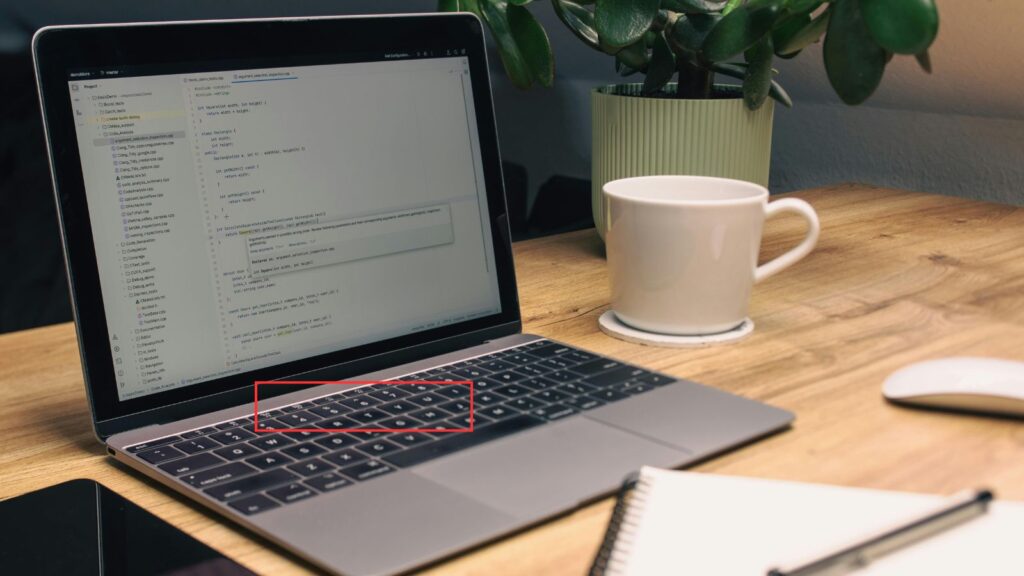
Common Warning Signs
Pay close attention to these indicators, as they often appear weeks or months before full-blown burnout sets in.
- Chronic Fatigue: Feeling exhausted even after a whole night’s sleep or a weekend off.
- Detachment: A growing sense of cynicism or resentment toward your job, colleagues, or clients.
- Inefficiency: Taking significantly longer to complete routine tasks that used to be easy.
- Physical Symptoms: Recurring headaches, muscle tension, or changes in appetite and sleep patterns.
Reclaiming the Kiwi Lifestyle
Ultimately, work is a part of life, not the whole of it. We live in one of the most beautiful countries on earth, yet many of us spend more time looking at screens than at our own backyard. Preventing burnout requires a proactive return to the things that make life in New Zealand special—connection with nature, time with whānau, and the ability to laugh at ourselves.
Make a conscious effort to schedule joy just as rigorously as you schedule meetings. Whether it is a weekend away at a bach, a tramping trip, or simply a BBQ with friends, these activities replenish the emotional reserves that work depletes. Remember that protecting your peace is not selfish; it is one of the most productive things you can do for your career and your family. Take a breath, unplug the router if necessary, and step outside.