

Late at night, when daily responsibilities finally slow down, many people turn to immersive gaming as a way to disconnect from routine and refocus their attention. The quiet hours create a natural opening for deeper engagement, where storylines feel richer and worlds feel more absorbing. Planning the evening often starts with a simple choice about how to unwind, whether that means launching a favorite game, exploring a new virtual world, or considering other personal options for relaxation. In urban areas, this same practical decision-making can include browsing entertainment or services like nj escort as part of organizing a night that feels intentional rather than accidental. What defines nighttime gaming escapism is not avoidance, but the desire to step into a controlled environment that offers focus, comfort, and a clear break from the day.
Why Immersive Gaming Feels Stronger at Night
Nighttime creates conditions that naturally enhance immersion. External noise drops, social expectations fade, and attention becomes easier to sustain. Gaming fits this window well because it rewards focus and uninterrupted time. Players are less likely to rush, multitask, or check messages, allowing experiences to unfold at their intended pace. The sense of separation from daytime obligations makes virtual worlds feel more vivid and emotionally engaging, even during shorter sessions.
Reduced Distractions and Deeper Focus
After dark, interruptions are fewer. Work emails slow, notifications quiet down, and households settle. This calm supports deeper concentration, making it easier to follow complex narratives or master in-game mechanics. Many players notice they progress further or feel more satisfied with their sessions at night for this reason.
Psychological Distance From Daily Roles
Nighttime gaming also creates mental distance from everyday identities. Professional roles, social expectations, and responsibilities temporarily recede. Inside a game, players adopt new objectives and perspectives, which can feel refreshing rather than draining. This shift helps explain why gaming is often chosen over passive entertainment late at night.
Sensory Immersion and Nighttime Atmosphere
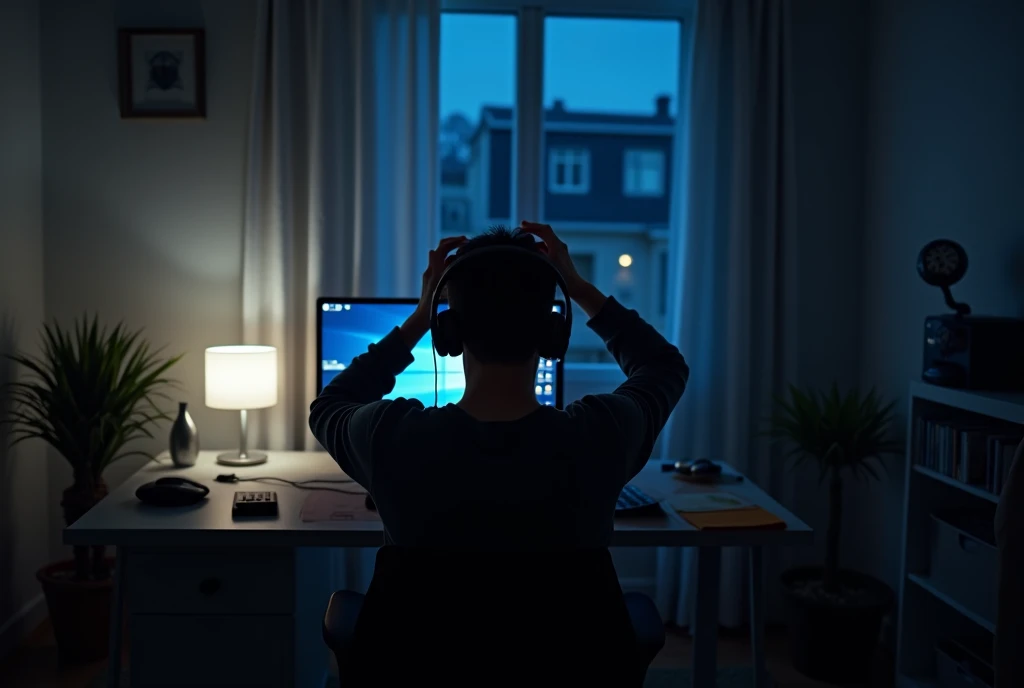
Nighttime enhances immersion not only through silence, but through atmosphere. Dim lighting, headphones, and a fixed screen position help isolate attention and deepen engagement. Many players intentionally adjust their environment after dark by lowering room lights, reducing background noise, and settling into familiar seating. These sensory choices support longer focus without effort, making virtual worlds feel more immediate and absorbing. The contrast between the quiet physical space and the active digital environment sharpens perception and emotional response. Over time, this setup becomes part of the experience itself, signaling the transition into a different mental state where immersion feels natural and controlled rather than intense or overwhelming.
Forms of Immersive Gaming After Dark
Not all games suit nighttime equally. Players tend to select experiences that support long focus periods or emotional involvement rather than quick competition.
- Story-driven single-player games
- Open-world exploration titles
- Role-playing games with progression systems
- Online worlds with persistent environments
These formats allow players to control pace and engagement without external pressure.
Story-Driven and Open-World Games
Narrative-heavy games thrive at night because players can follow plots without interruption. Open-world titles add freedom, letting players explore, experiment, or simply exist within a virtual space. This flexibility supports escapism without forcing constant action.
Online Worlds and Persistent Universes
Some players prefer shared online environments that continue evolving even when they log off. These worlds offer continuity and familiarity, creating a sense of place that feels stable and welcoming during late hours. Interaction can be minimal or social, depending on mood.
Managing Escapism Without Losing Balance
While immersive gaming is appealing, many players develop personal habits to keep it enjoyable rather than exhausting. Balance comes from awareness, not strict rules.
- Choosing games with natural save points
- Setting informal time limits
- Ending sessions after completing a clear objective
- Paying attention to energy and focus levels
These practices help maintain gaming as a positive nighttime activity.
Natural Stopping Points and Self-Regulation
Games designed with chapters, missions, or checkpoints make it easier to stop without frustration. Players often use these moments as cues to step away, preserving the sense of control that makes escapism relaxing rather than compulsive.
When Nighttime Gaming Becomes a Personal Ritual
Over time, immersive gaming at night can become a familiar ritual. The same setup, preferred genres, and quiet hours create consistency and comfort. Rather than replacing real life, these sessions complement it, offering a reliable way to unwind and reset. Nighttime gaming escapism works best when it is intentional, providing a space to recharge mentally before returning to daily routines with renewed focus and balance.