
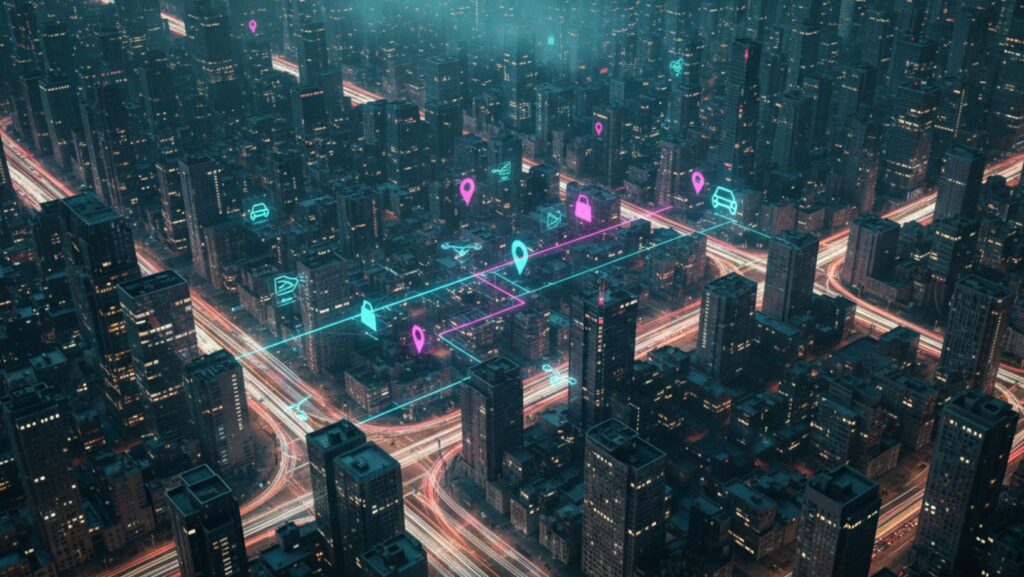
In hyperconnected megacities, everyday life is built around quick decisions and constant movement. Residents increasingly turn to digital platforms to access services on demand, whether it involves transportation, food delivery, entertainment, or managing personal time more efficiently. Smartphones have become practical tools for coordinating daily activities in crowded urban environments, offering fast and flexible solutions that fit into busy schedules. In cities like New York, this ecosystem includes a wide range of location-based services, from transport and delivery to niche offerings linked to nightlife and tourism, such as nyc escorts, which operate within the same on-demand model of accessibility and convenience. Together, these platforms illustrate how megacities structure daily routines around speed, adaptability, and digital coordination.
Why megacities are ideal environments for on-demand platforms
Megacities provide the scale and infrastructure that on-demand platforms require to thrive. High population density ensures constant demand, while advanced connectivity allows services to operate around the clock. Urban residents often juggle demanding schedules, making efficiency a priority. This environment encourages rapid adoption of digital services that reduce friction and save time. From commuting to leisure planning, on-demand platforms become deeply embedded in city life because they respond directly to the pressures of modern urban living.
Hyperconnectivity and real-time user expectations
Constant connectivity shapes how urban users interact with services. People expect platforms to respond instantly, provide transparent pricing, and offer reliable availability at any hour. Delays or friction often lead users to switch providers quickly.
Typical expectations include:
• Immediate booking confirmation
• Real-time tracking or status updates
• Clear pricing before purchase
• Seamless mobile-first interfaces
These expectations push platforms to optimize performance continuously.
Urban lifestyles built around convenience
Megacity residents prioritize flexibility due to long work hours, extended commutes, and active social lives. On-demand platforms reduce the need for advance planning and allow spontaneous decisions. Traditional service models struggle to compete with this adaptability. As a result, digital platforms often replace offline alternatives by offering faster access and greater customization. This shift reflects broader lifestyle changes driven by urban density and time scarcity.
Economic and social impact of on-demand platforms
On-demand platforms significantly influence urban economies by reshaping employment patterns and service access. They create flexible income opportunities while lowering barriers for new service providers to enter the market. At the same time, they increase consumer choice and availability. However, this transformation also raises questions around job stability, platform responsibility, and equitable access. In megacities, these dynamics are magnified due to scale, making platforms both powerful economic drivers and subjects of regulatory attention.
New income models and workforce flexibility
Many platforms rely on independent workers who value schedule control and location flexibility. This model appeals to students, freelancers, and those balancing multiple income streams.
Common work models include:
• Task-based gig work
• Time-slot driven availability
• Performance-based incentives
• Location-sensitive service delivery
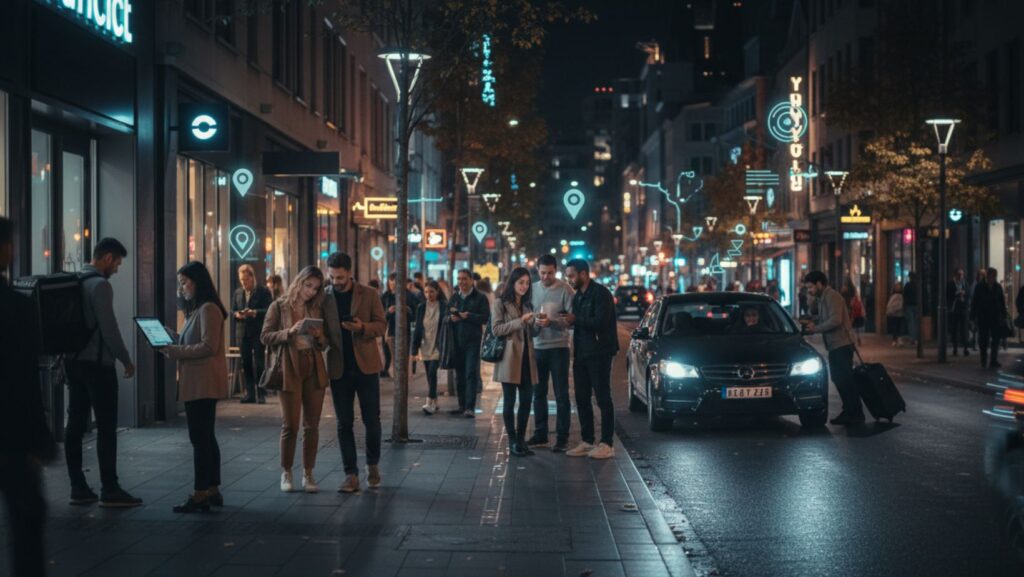
Megacities absorb this workforce efficiently because demand remains consistently high.
Challenges platforms face in hyperconnected urban environments
While demand is strong, competition in megacities is intense. Markets can become saturated quickly, forcing platforms to differentiate through pricing, service quality, or technology. Regulatory frameworks also evolve as cities attempt to balance innovation with consumer protection. Trust becomes a critical factor, especially when services involve personal interaction or sensitive data. Platforms that fail to address these concerns risk losing user confidence in highly competitive environments.
Regulation, data privacy and platform trust
City authorities increasingly scrutinize how platforms operate, focusing on worker rights, data protection, and service accountability. Users expect platforms to handle personal information responsibly and maintain consistent standards.
Key challenges include:
• Compliance with local regulations
• Secure handling of user data
• Transparent service policies
• Building long-term user trust
Trust often determines whether a platform can sustain growth in a dense urban market.
The future of on-demand services in megacities
As technology advances, on-demand platforms move beyond simple responsiveness toward predictive functionality. Artificial intelligence and data analytics enable platforms to anticipate user needs rather than react to requests. Hyperconnected megacities act as testing grounds for these innovations due to their scale and data richness. This evolution points toward more integrated urban systems where services adapt dynamically to real-time conditions.
From instant access to predictive urban services
Future platforms will focus on anticipating demand patterns and optimizing service availability proactively.
Emerging trends include:
• AI-driven demand forecasting
• Personalized service recommendations
• Integration with smart city infrastructure
• Automation of routine service processes
These developments signal a shift toward more intelligent urban service ecosystems.
Conclusion
On-demand service platforms have become foundational to life in hyperconnected megacities. They respond to the demands of density, speed, and flexibility while reshaping economic models and social behavior. Although challenges around regulation, competition, and trust persist, platforms continue to evolve alongside urban infrastructure. As cities grow more connected, on-demand services will play an even greater role in defining how residents navigate daily life, access opportunities, and experience the modern metropolis.